

Why many people choose Korea for facelift (rhytidectomy) — surgeon expertise, outcomes, and post-op safeguards
1) High clinical volume & medical-tourism scale — experience matters
South Korea has become a major hub for international patients seeking cosmetic procedures. In 2024 Korea received over 1.17 million foreign patients for medical services, and plastic surgery accounted for a meaningful share of those visits. High patient volumes concentrate surgical experience and foster specialization in facial rejuvenation techniques.
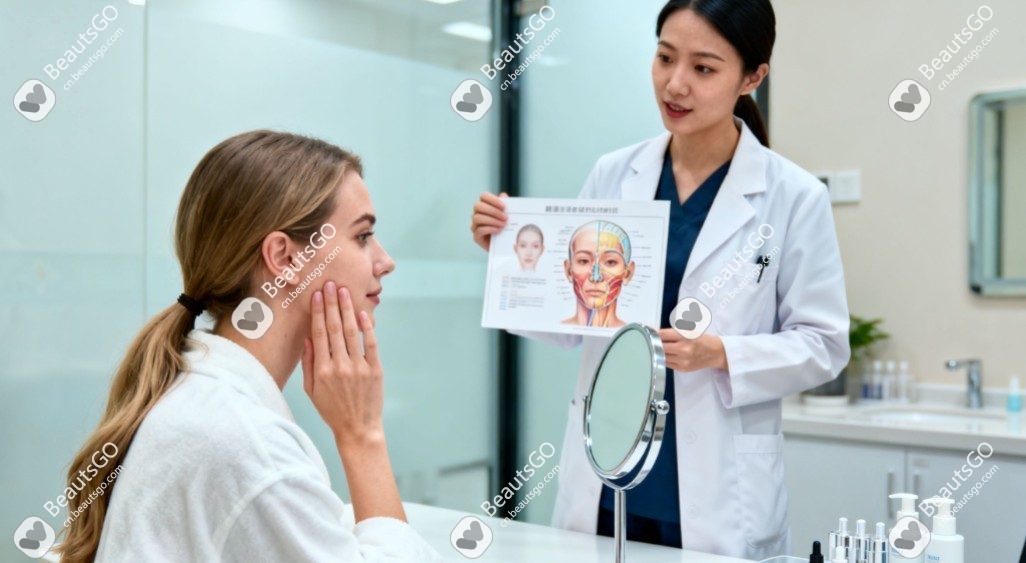
2) Organized professional community and peer-reviewed research
Korea has an active national professional society and academic output in plastic and reconstructive surgery — the Korean Society of Plastic and Reconstructive Surgeons (KSPRS) and its journal (Archives of Plastic Surgery) are platforms where surgeons present techniques, outcomes, and complication management. This organized academic environment helps spread best practices and continuous improvement.
3) Training, board certification and high-volume specialists
Many facial aesthetic surgeons in Korea complete specialist training, fellowships, and present regularly at national and international meetings. For patients this often translates to surgeons who: (a) are familiar with a wide range of facelift techniques (SMAS, deep-plane, subperiosteal, thread-assisted variants), (b) have revised difficult cases, and (c) collaborate in multi-disciplinary teams (anesthesia, ENT, dermatology) for safer care. (When choosing a surgeon, check credentials, years of experience, before/after cases, and whether they publish or teach.)
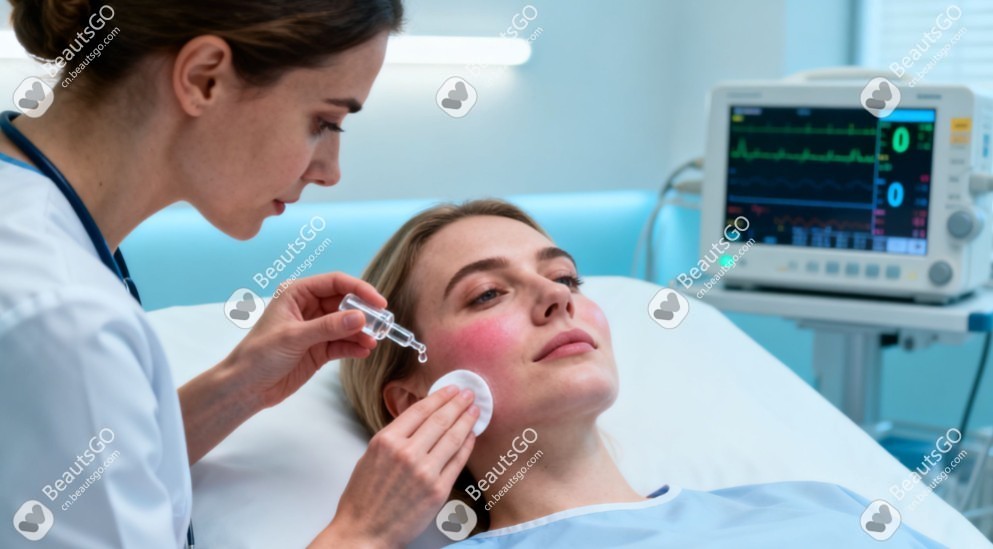
4) Evidence about outcomes and known risks
No surgery is risk-free. Facelift complications reported in the literature include hematoma (the most common early complication), infection, nerve injury, scarring, and contour irregularities. Newer techniques and careful perioperative management (blood-pressure control, meticulous hemostasis, drains/hemostatic nets in selected cases) reduce risks, and experienced centers have established protocols to manage complications quickly if they occur. Thread-lifting and minimally-invasive lifts have different risk profiles (bruising, dimpling, rare thread migration or granuloma). Reading peer-reviewed case series and complication reports helps set realistic expectations.
5) Facility standards and international accreditation
Many Korean hospitals and larger clinics hold international or national quality certifications (for example some centers participate in JCI programs or national “hospitals serving foreign patients” designations). Accreditation and transparent hospital systems (electronic medical records, certified anesthesia teams, postoperative wards) add layers of patient safety and continuity of care for international patients. Always confirm a facility’s accreditation and postoperative support before booking.
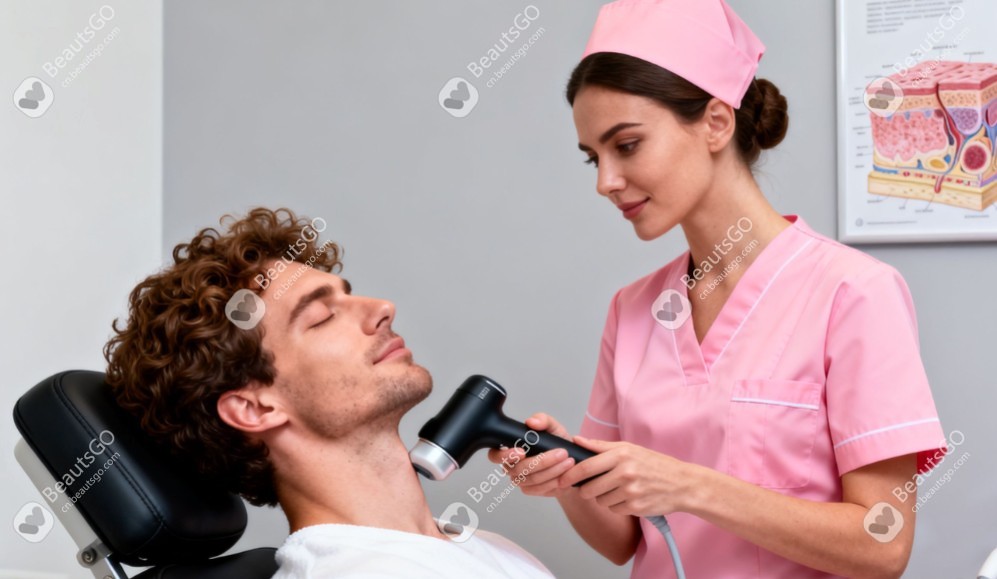
6) Post-operative care, revision policy and patient support
Reputable clinics provide structured follow-up (in-person or telemedicine), clear discharge instructions, and a pathway for revision surgery if outcomes don’t meet agreed expectations. For international patients, many top centers offer international patient coordinators, language support, and remote follow-up options. Ask clinics for their written postoperative plan and any revision/complication policy before you commit.
Practical checklist when you consider a facelift in Korea
Verify the surgeon’s board certification, years of facelift experience, and before/after photos (especially cases similar to your anatomy).
Ask which specific technique the surgeon recommends and why, plus typical recovery timeline and pain/medication plan.
Get a written estimate that includes follow-up visits and policy on complications/revisions.
For international patients: ask about language support, a named coordinator, and remote follow-up options after you return home.
Final note — how to find and compare reputable centers (and where BeautsGO fits)
If you’re researching hospitals and surgeons in Korea, combine:
(a) peer-reviewed literature and society recommendations, (b) facility accreditation and published surgeon credentials, and (c) verified patient reviews and before/after case images. For international patients who want easier comparison and pre-visit communication, platforms such as BeautsGO let you search clinics, compare services, and book or do an initial online consultation with Korean doctors before traveling.
Using an established platform can simplify language barriers, let you compare quoted packages, and arrange secure online pre-assessment so you arrive better prepared. (Always cross-check any platform listing with the clinic’s direct credentials.)
相关资讯
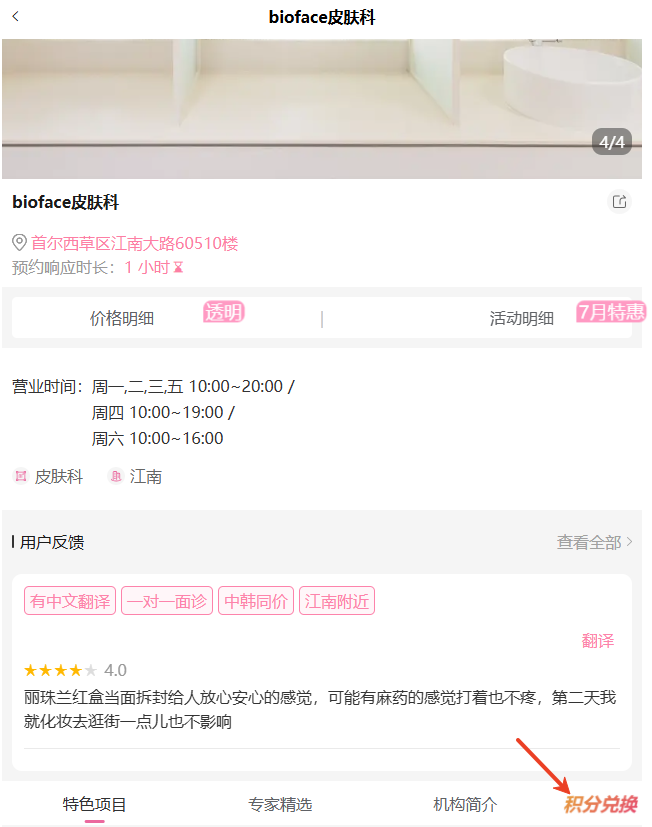
How is Bioface Dermatology in South Korea? The director provides in-person consultations through the Seoul National University hospital network, along
2026-07-24 11:11:13
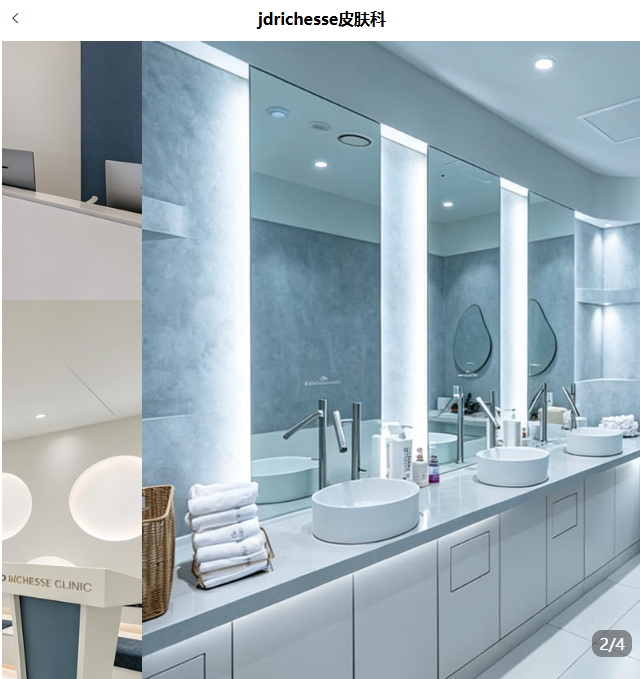
How is JDRichesse Dermatology in Gangnam, Seoul, South Korea? The BeautsGO APP lets you quickly check information about Director Kim Kwang-ho and the
2026-07-20 11:37:43

In-Depth Review of Jayderma Dermatology in Cheongdam, Seoul: One-on-One Consultations with Director Jung Seung-hwan, Easy Booking via BeautsGO App to
2026-07-16 10:46:40
Download the BeautsGO app to receive personalized consultations, book appointments with expert doctors, and effortlessly manage your journey to a more perfect, radiant you.
Convenient Reservation
Book online appointments with top doctors in Korea—no waiting in line.
Skin Profile
Create your personal skin record to track and monitor changes over time.
Health Information
Access expert knowledge and receive personalized skincare advice.

WeChat Mini Program
Scan the QR code to open the BeautsGO WeChat Mini Program.

App Store
Scan code to download iOS app

Google Play
Scan code to download Google Play app

APK
Scan code to download APK